How to Maintain Your PPF: Care Tips and Best Practices
If you’ve recently invested in a Paint Protection Film (PPF) from Marine Klean & Auto Klean, congratulations, you’ve taken a major step toward preserving your car’s paint, finish, and overall value. PPF acts as a virtually invisible shield that guards against rock chips, road debris, bird droppings, bug splatter, UV damage, and environmental contaminants.
But installing PPF is only half the job. Proper maintenance and care are essential if you want your film to stay clear, durable, and protective over the long haul. Here’s your guide to maintaining your PPF with the right practices, wash routines, and preventative care.
Why Proper Care Matters
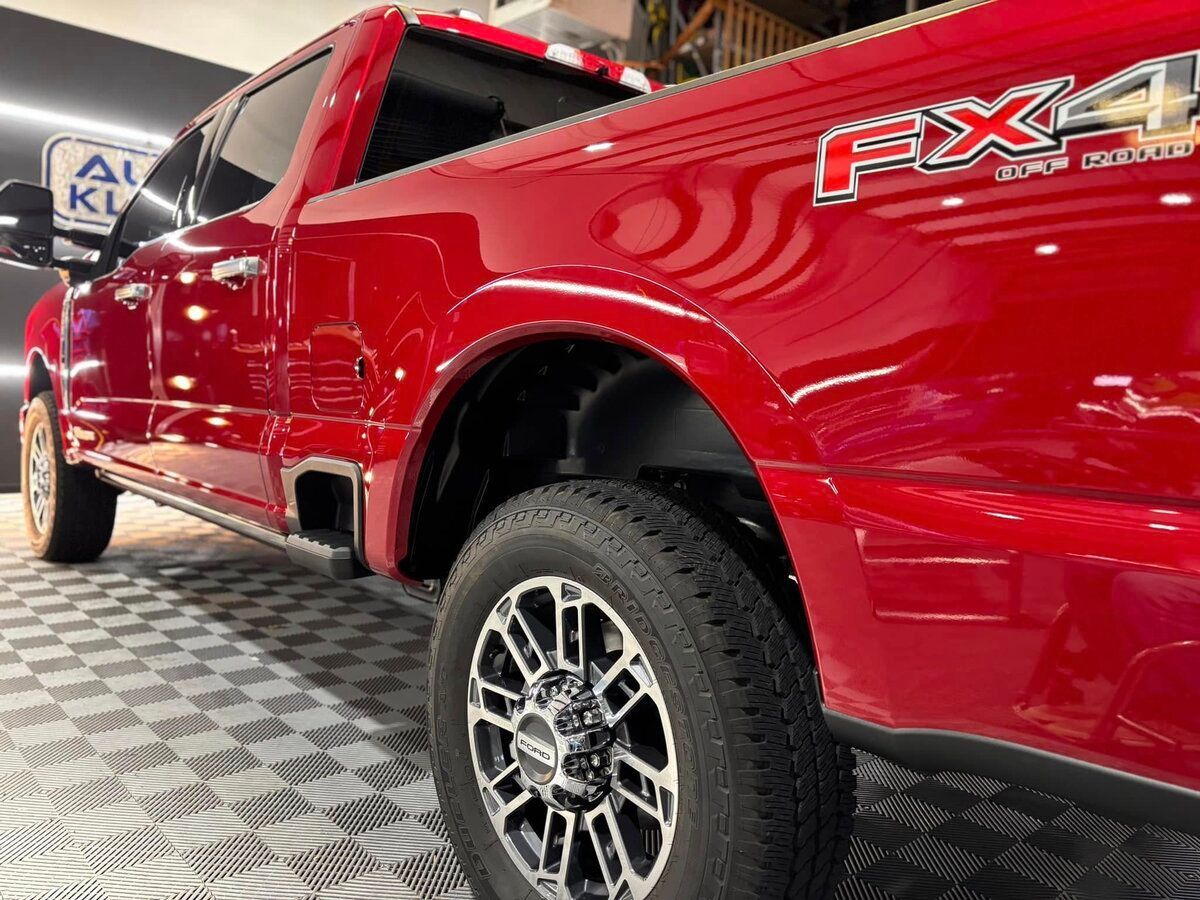
PPF is a high‑performance urethane film that serves as a first line of defense for your paint. It provides benefits like self‑healing small scratches, hydrophobic properties to repel water and contaminants, UV resistance to prevent fading, and protection from chips and abrasion.
However, if neglected or cleaned incorrectly, the film can degrade, losing clarity, peeling at the edges, yellowing, or even losing its protective features prematurely. Consistent, gentle maintenance helps ensure your investment remains effective and your vehicle continues to shine.
PPF Maintenance: Basic Do’s
Use Gentle, PPF‑Safe Cleaning Products
When washing a car with PPF, choose a pH‑neutral or PPF-compatible car shampoo. Avoid harsh detergents, petroleum-based or acidic cleaners, or abrasive chemical solutions; these can degrade the film over time.
Also, use soft microfiber cloths or mitts. Avoid stiff brushes or rough sponges, which can scratch or damage the film’s surface.
Follow a Gentle Wash Technique — The Two-Bucket Method
One of the safest ways to wash a PPF-protected car is the “two-bucket method.” Use one bucket with soapy water for washing and another bucket with clean water for rinsing your mitt or cloth. This reduces the chance of reintroducing dirt and grit that can scratch the surface.
Also, wash in straight lines instead of circular motions, and rinse thoroughly before drying. After rinsing, use a soft microfiber towel to dry the car completely; this helps avoid water spots and mineral deposits.
Avoid Automated Car Washes with Brushes
Automated car washes often use stiff brushes, strong soaps, or high-pressure jets. These can lift the edges of the film, cause micro-scratches, or compromise the film’s protective layer. If you must use a car wash, always opt for a touchless or brushless option.
Best Practices for Ongoing Maintenance
Wash Regularly — But Not Too Aggressively
For most vehicles, washing every 1–2 weeks is a good routine. Frequent rinsing helps remove dust, road salt, bird droppings, bugs, and other contaminants before they can bond to the PPF.
Avoid cleaning when the car is hot or in direct sunlight. Water and soap can evaporate too quickly, leaving water spots or streaks. Instead, wash in the shade or during cooler parts of the day.
Dry Immediately and Carefully
After washing, always dry the vehicle with a soft microfiber towel. Leaving water to air-dry can cause mineral deposits and leave spots that are harder to remove. This simple step helps keep the clarity and shine of your PPF.
Use PPF-Safe Detail Sprays or Sealants (If Needed)
If you want extra protection or added shine, consider using a PPF-safe detail spray or sealant every few washes. This can help maintain the hydrophobic qualities of the film and make future cleaning easier. However, avoid traditional waxes or polishes, as these can build up along edges and cause discoloration over time.
Inspect the Film Regularly
Take time to inspect the film for signs of lifting edges, bubbles, discoloration, or peeling especially around high-impact or high-stress areas such as bumpers, fenders, and door edges. Early detection of any issues can allow for timely repairs before they escalate.
Special Considerations for Season and Climate
Because your vehicle is exposed to varying weather and road conditions, you might need to adapt your PPF maintenance routine slightly depending on the season or driving habits:
- Hot & Sunny Months: Park in shaded areas when possible. UV exposure can degrade PPF over time even though many films are UV-resistant. For maximum protection, consider using a UV-protectant spray periodically.
- Rainy or Winter Seasons: If roads are salted or muddy, rinse and wash the car more frequently. Avoid high-pressure sprays near film edges, as forceful water jets can cause lifting or peeling.
- After Long Drives or Road Trips: Immediately after travel through dusty roads or construction zones, rinse the car as soon as possible to avoid contaminants bonding to the film.
What NOT to Do: Common Mistakes to Avoid
- Avoid using abrasive brushes, sponges, or cleaning tools, as these can scratch the film.
- Do not use harsh, acidic, or petroleum-based soaps or waxes, as they may degrade the film or strip away protective layers
- Do not ignore bird droppings, bug splatter, tree sap, or bug residue. These contaminants can be acidic or corrosive, so clean them promptly with PPF-safe cleaners.
- Avoid pressure washers directly applied to film edges. High pressure can cause lifting or delamination
- Do not neglect drying after washes or rain, as water spots can interfere with clarity and shine.
Extra Protection: Consider Ceramic Coating or Sealant Layer
If you want the ultimate protection for your vehicle, pairing PPF with a ceramic coating or quality sealant can further enhance resistance against UV rays, water, grime, and contaminants while also making regular cleaning easier. Marine Klean & Auto Klean offers both PPF and ceramic coating services to deliver comprehensive paint protection.
A ceramic layer over PPF can extend the life of the film and keep your vehicle looking freshly detailed, while also making maintenance less frequent and more effective.
Ready to Preserve That Showroom Shine?
If you want professional installation or maintenance for your PPF, or if you’d like to ask about ceramic coating for an extra layer of protection, contact Marine Klean & Auto Klean today. Our expert team ensures precision application, safe products, and long-lasting results for your vehicle whether it’s a daily driver, luxury car, or specialty vehicle.
📞 Call Now: (770) 925-5326
Let’s keep your vehicle looking new and protected for the road ahead.
Frequently Asked Questions
1. How often should I wash my car when it has PPF on it?
Most owners wash every 1–2 weeks to prevent dirt, bird droppings, and debris from building up. This helps maintain the clarity and protective qualities of the film.
2. Can I use a pressure washer to clean my PPF?
It is not recommended. High-pressure sprays aimed at or near film edges can cause lifting or delamination. Use a gentle hand wash instead.
3. Are harsh car soaps and wax safe on PPF?
No. Harsh detergents, acidic cleaners, and traditional waxes can damage the film or degrade its protective top layer over time. Always use PPF-safe, pH-neutral products.
4. What should I do if I see lifting edges, bubbles, or discoloration on the film?
Inspect carefully and contact your installer (e.g., Marine Klean & Auto Klean) for evaluation. Addressing these issues early can prevent more serious damage or the need for reinstallation.
5. Can I apply ceramic coating on top of PPF for added protection?
Yes. A ceramic coating or PPF-safe sealant applied over the film adds another layer of protection against UV rays, contaminants, and water. It also makes cleaning easier and less frequent.
Share with your friends and family